Shelter Fabrics Decoded: Practical Guidance for Campers
Choosing by comparison
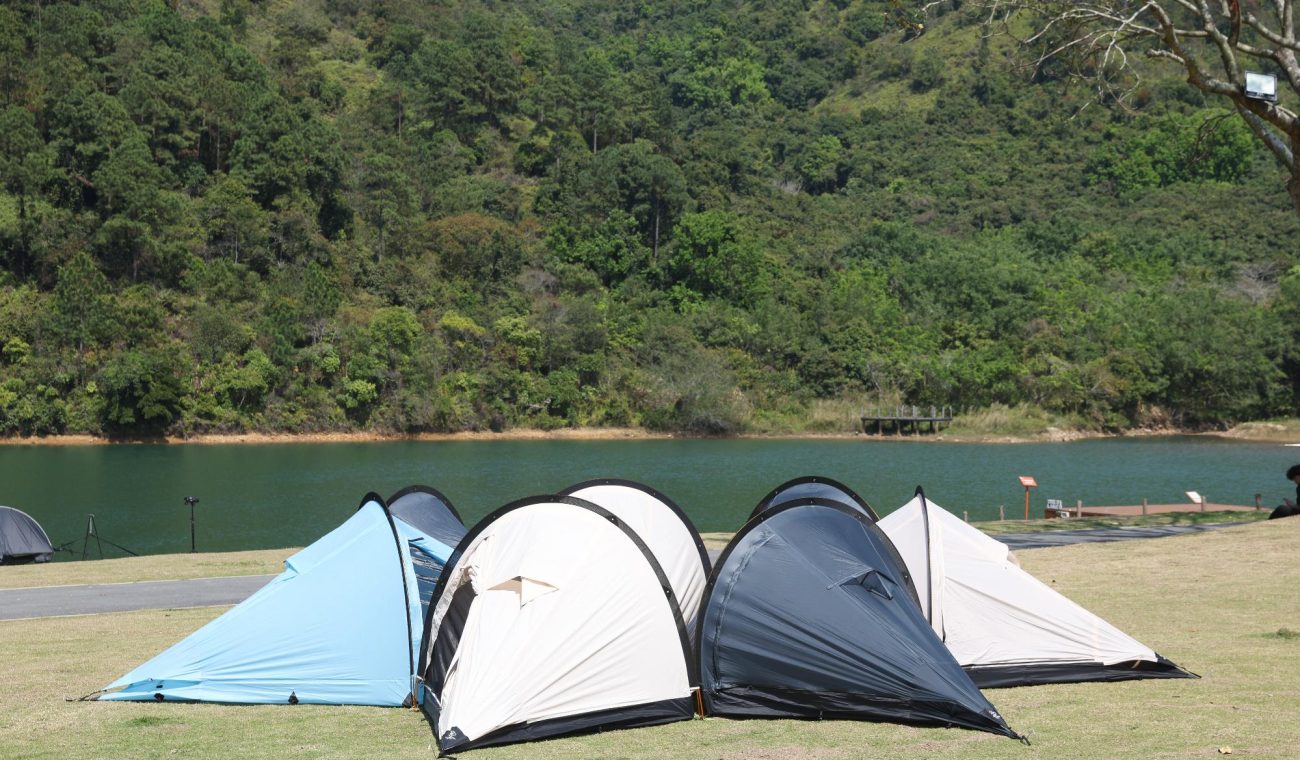
Deciding which shelter fabric suits you requires direct comparisons: weight versus durability, breathability versus waterproofing, repair ease versus longevity. For instance, a modern hiking tent ultralight will favour minimal grams and simple seams, but that choice alters pitch technique and maintenance demands. Compare options directly and you’ll see predictable trade-offs rather than mysterious advantages.
Field perspective and one clear reference
On a three-day traverse of the Lake District I observed how a compact shelter that used a silicone-coated topsheet shed rain and held shape better on exposed ridges; that experience underlines why many choose a compact tent for hiking when routes expose them to wind and driving rain. Years of gear testing and hands-on repairs inform this view: what performs in a shop does not always perform on wet rock and stiff gusts.
Dyneema (DCF): the ultra-light contender
Dyneema Composite Fabric offers remarkable strength-to-weight ratios and near-zero stretch when wet. It excels for fast, multi-day packing where every gram matters. Downsides: higher cost, more brittle crease behaviour in cold, and harder field repairs — a rip kit helps, but expect careful handling and occasional seam reinforcement.
Silicone-coated nylon: the practical all-rounder
Silicone-coated nylon balances abrasion resistance, tear strength and waterproofing. It tolerates repeated folding and is straightforward to patch with silicone tape or fabric patches. It adds weight compared with DCF, yet remains the preferred choice where mixed terrain, rocky pitches and variable weather demand resilience over absolute lightness.
Polyester and budget fabrics
Polyester resists UV better than untreated nylon and holds coatings well at lower cost. Expect heavier denier requirements to match the tear strength of coated nylons, which increases pack weight. Budget polyester shelters are serviceable for casual campers and festival use, but they age faster if stored damp or exposed to intense sunlight.
Canvas and heavier materials for base camps
Canvas remains unsurpassed for breathability and long-term comfort at base camps; it handles condensation and provides stable internal climates. It’s heavy and needs more upkeep, so it’s rarely chosen for hiking. Select canvas if you prioritise comfort, multi-night communal shelters, or stove use inside the tent.
Seams, coatings and common failure points
Seams and attachment points are the weak links regardless of fabric. Coatings can delaminate; stitch holes create pathways for leaks. Common mistakes: storing a wet shelter, over-tensioning guylines, and neglecting seam-tape inspections. Regularly apply seam sealant to older shelters and carry a small repair kit tuned to your shelter’s material.
 How to match material to use-case
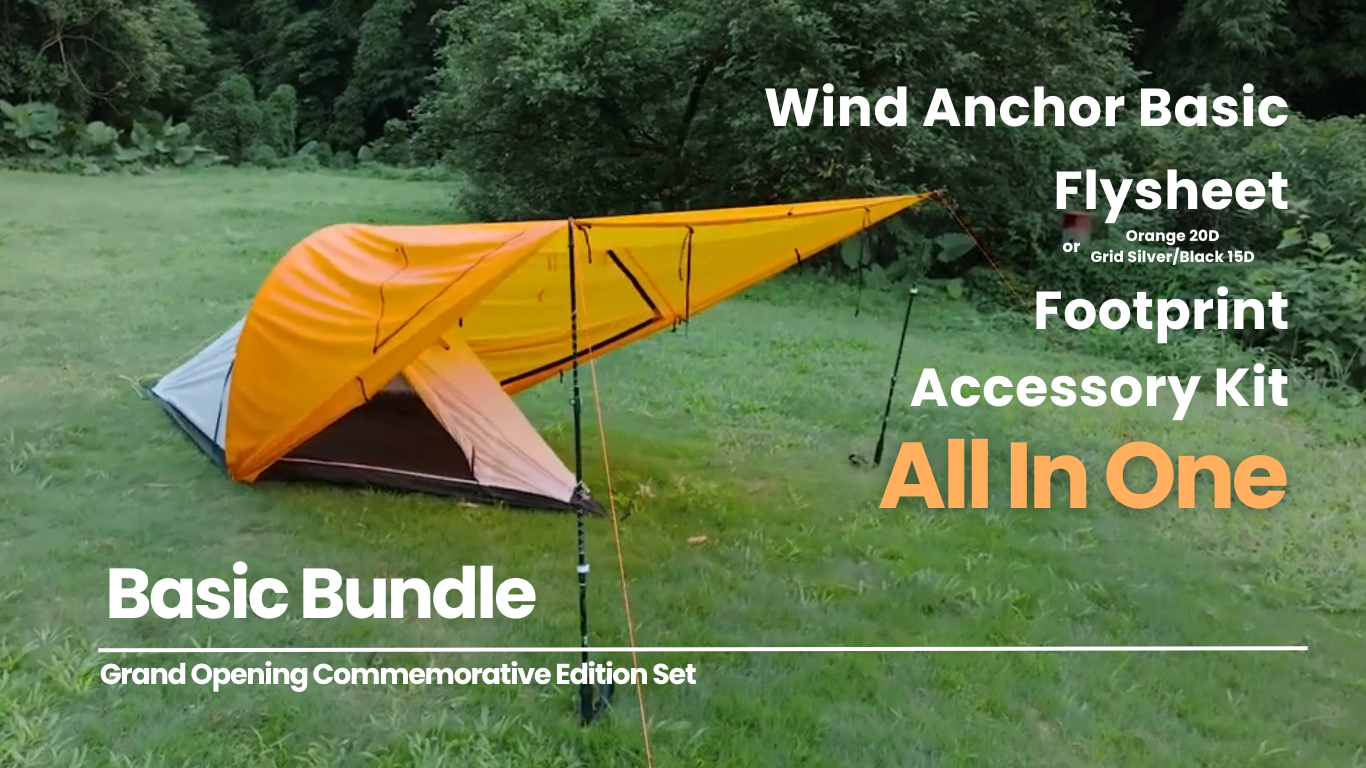
Match choices to typical outings: choose DCF or ultralight coated nylons for long-distance single-track hikes where pack weight is decisive; choose silicone-coated nylon for mixed-conditions hillwalking; choose polyester or heavier nylon for occasional car camping; choose canvas for established campsites and prolonged stays. Evaluate repairability and local weather patterns, not merely advertised denier or waterproof rating.
Practical buying checklist
Inspect seam tape quality, test zips for smoothness, ask about warranty terms, and confirm repair options. Carry a lightweight repair kit matched to the fabric: silicone sealant and tape for silicone-coated nylon, specialised adhesive and patches for DCF. Keep the shelter dry before stowing; that one habit extends serviceable life more than any single material choice.
Final synthesis
Comparative insight reveals a straightforward truth: no material is universally superior — suitability depends on your routes, maintenance tolerance and weight priorities. Make decisions by direct trade-offs, test models where possible, and rely on practical field experience. If you prefer concise, well-judged options tuned to real use, consider how THECATAL describes and equips shelters that reflect those trade-offs.