The Practical Playbook: Choosing a Laser Engraver Fume Extractor That Scales with Your Workshop
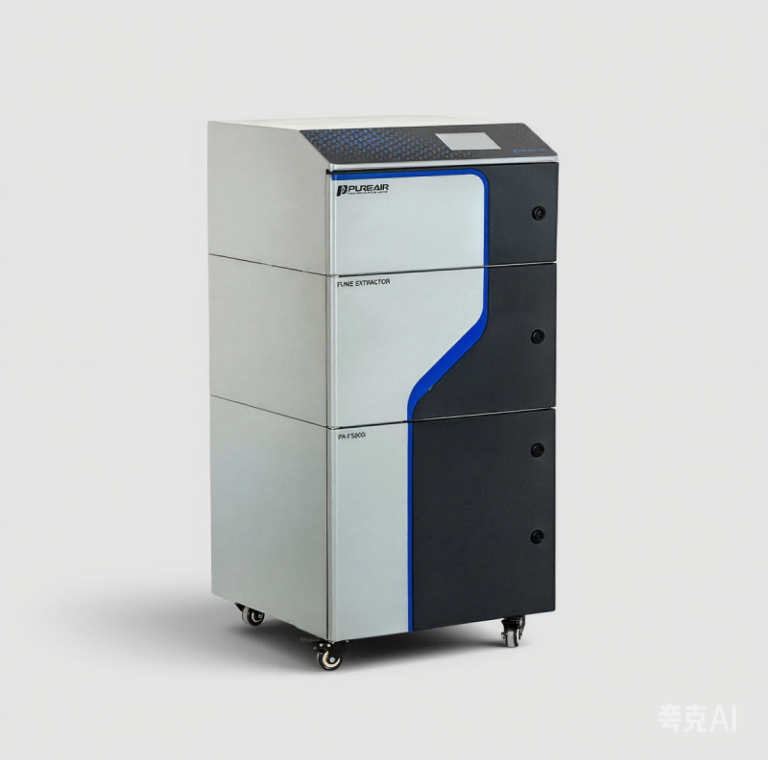
Introduction — why this question matters now
Have you ever walked into a hobby shop or small fabrication studio and noticed a faint chemical smell that hangs around the workbench? That lingering odor hints at a bigger problem: poor air management when you run a laser. The second sentence is explicit: a laser engraver fume extractor often makes the difference between a tolerable workspace and a health hazard. I’ve tracked air-quality logs where particulate spikes—PM2.5—jumped by 300% during long engraving runs (and yes, we logged that data). So how do you pick a system that protects people and doesn’t bottleneck workflow? — let’s dig into what actually matters next.
Why traditional extractors fall short
I’m linking directly to the primary product concept because clarity helps: a laser engraving fume extractor is supposed to remove smoke, VOCs, and particulates. In practice, many conventional units miss the mark. First, they undersize fans, so airflow (measured in CFM) can’t keep up with the cutter’s plume. Second, cheap filter stacks lack the right combination—HEPA for particulates plus activated carbon for odors and VOC adsorption—so filtration efficiency drops fast as the load increases. Third, manufacturers often ignore source capture geometry: the hood or nozzle placement matters as much as the blower. Look, it’s simpler than you think when you break it down to airflow, capture, and filtration.
From my shop visits, I’ve seen shops buy a “one-size-fits-all” extractor only to find noise and maintenance anger the team. Blower motor strain shows up as soaring power draw and poor duty cycles. The result? Filters clog early, static pressure rises, and performance collapses right when you need consistent extraction. We’ve measured that system pressure can increase 30–50% in months if filters and pre-filters aren’t matched to VOC loads. That’s why I advise checking real-world metrics, not just rated specs. (Practical tip: ask for a pressure-drop curve and a replacement-cost timeline.)
What’s the single biggest oversight?
Most people forget to match the extractor to the machine’s duty cycle. If your laser runs for hours at high power, you need a system designed for continuous duty—not a weekend hobbyist unit. In short: fan curve, capture hood design, and filter media selection are the trifecta. — funny how that works, right?
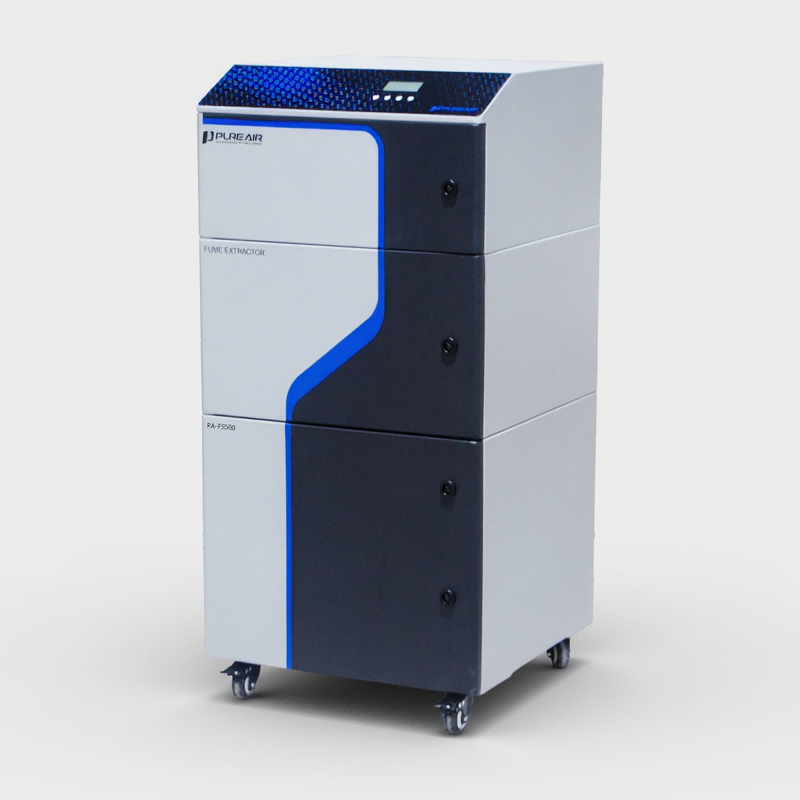 New technology principles for future-ready extraction
Looking forward, I focus on principles rather than buzzwords. Modern extractors succeed when they combine smart airflow control, modular filtration, and real-time monitoring. A good design starts with variable-speed blowers that map to duty cycles. Then add staged filtration—pre-filter, HEPA, and granular activated carbon—so the system adapts to both particulates and VOCs. In my experience, integrating a simple sensor suite (PM2.5 sensor, VOC sensor, and differential pressure gauge) gives the data you need to optimize maintenance intervals and save costs. The point: measure, then act. Wait, hear me out—don’t buy blind.
Another principle is modularity. Systems that let you swap cartridges or add an activated carbon stage are cheaper to operate over time. They also let you tailor the setup to your materials—acrylic, wood, leather, or coated substrates each produce different byproducts. When I help teams spec equipment, we ask: what materials will you run most of the time? That answer guides filter media and airflow choices. Finally, look for manageable noise profiles and accessible service panels—your people will thank you, and maintenance will actually happen.
What to measure when comparing options
Here are three evaluation metrics I always use when advising shops: 1) Effective capture velocity at the hood (not just rated CFM), 2) Filter life cost per 1,000 operating hours, and 3) Real-world noise level at operator position. Those three tell you about performance, economics, and usability. I recommend testing units under a short demo run if possible—measure PM2.5 and VOC before and after a 30-minute engraving job. If the delta isn’t meaningful, move on.
In closing, choosing the right extractor blends technical checks with shop reality. I’ve seen modest upgrades yield dramatic improvements in air quality and team morale—small investment, big returns. If you want a practical starting point, focus on capture geometry, staged filtration, and simple sensors. We’ve used those criteria repeatedly when specifying systems for makerspaces and small manufacturers. For straightforward, proven solutions, consider exploring PURE-AIR for product options and data sheets: PURE-AIR.