7 Ways Infrared Beds Can Improve Recovery, Sleep, and Daily Energy
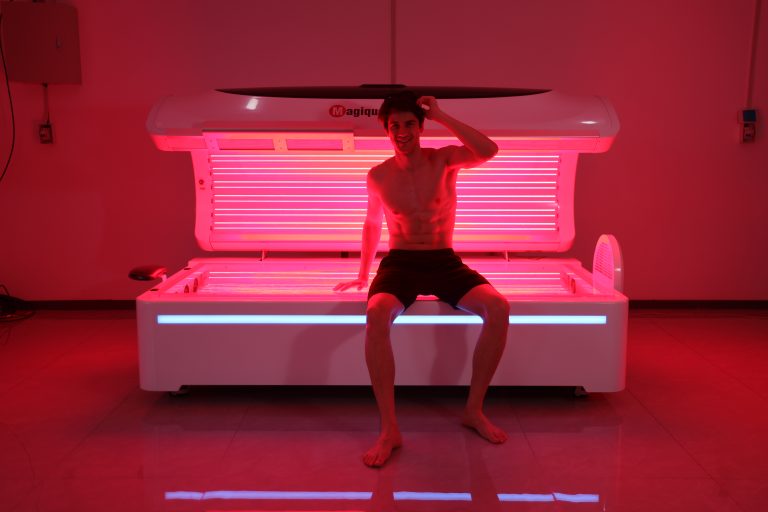
Introduction: A Quiet Evening, Some Data, and a Question
I remember coming home tired from work and watching a friend settle into an infrared mat — within minutes she looked calmer and slept better that night. Infrared beds are showing up in clinics and home wellness rooms more often, with users reporting better sleep and faster muscle recovery (small surveys and clinic notes, not dramatic headlines). What I keep asking myself—and what I want you to consider—is this: are these devices really delivering consistent results for real people like us?
Let me be clear: I’m not selling a miracle. I’m curious. Studies on photobiomodulation, wavelength specifics, and irradiance levels suggest real physiological effects, but the market is noisy. Some systems use LED arrays with solid thermal management; others skimp on power converters and leave you with uneven light and heat. So when a product promises deep recovery, we should ask for the specs and—yes—try it for ourselves. (I like checking the numbers first.)
In the sections that follow I’ll walk through where traditional approaches fall short, what hidden pains users face, and how newer design principles are changing the game. Let’s move from anecdote into the technical — but simply. —
Part 1 — Where Classic Solutions Fail: The Hidden Flaws
led red light therapy beds for sale are widespread, but many models hide compromises that matter. I’ve tested and talked to therapists who point to inconsistent wavelength output and low irradiance as top issues. Those flaws reduce efficacy: light needs the right photon dose to affect cellular pathways, and if the LED arrays aren’t tuned, you get spotty results. Look, it's simpler than you think — a strong spec sheet matters.
Another problem is heat and power design. Poor thermal management coupled with cheap power converters leads to hot spots or throttled output over time. That undermines longevity and comfort. Then there’s user experience: controls are often clunky, session presets are generic, and maintenance is ignored by manufacturers. I’ve seen clients quit after a few uses because the device felt awkward or gave uneven warmth. That’s a real pain point—people stop using tech that doesn’t fit their routine.
Why does this keep happening?
I’ll tell you: many makers prioritize cost over calibration. They skimp on quality components like reliable drivers and fail to validate irradiance across the whole surface. The result is devices that look convincing but don’t deliver consistent photobiomodulation. We deserve better; we want repeatable outcomes, not marketing copy.
Part 2 — What’s Next: New Principles and Practical Choices
We’re moving into a more thoughtful era. I see two promising threads: better electronics design and clearer user metrics. Modern systems use improved LED arrays with calibrated wavelength bands, often combining near-infrared and red light to hit different tissue depths. They also employ smarter thermal management, so sessions stay comfortable and output stays stable. When I compare older units with newer ones, the difference is noticeable — in comfort and in the feeling of recovery.
For buyers, I recommend three simple evaluation metrics: 1) verify peak irradiance at the surface; 2) confirm wavelength ranges and whether they match clinical research; 3) check build quality (cooling, power converters, and user controls). These metrics help you cut through buzzwords. If you want to explore options, try looking at the practical listings for led red light therapy beds for sale and compare specs side by side — real numbers make decisions easier. Also — funny how that works, right? — test drive when possible.
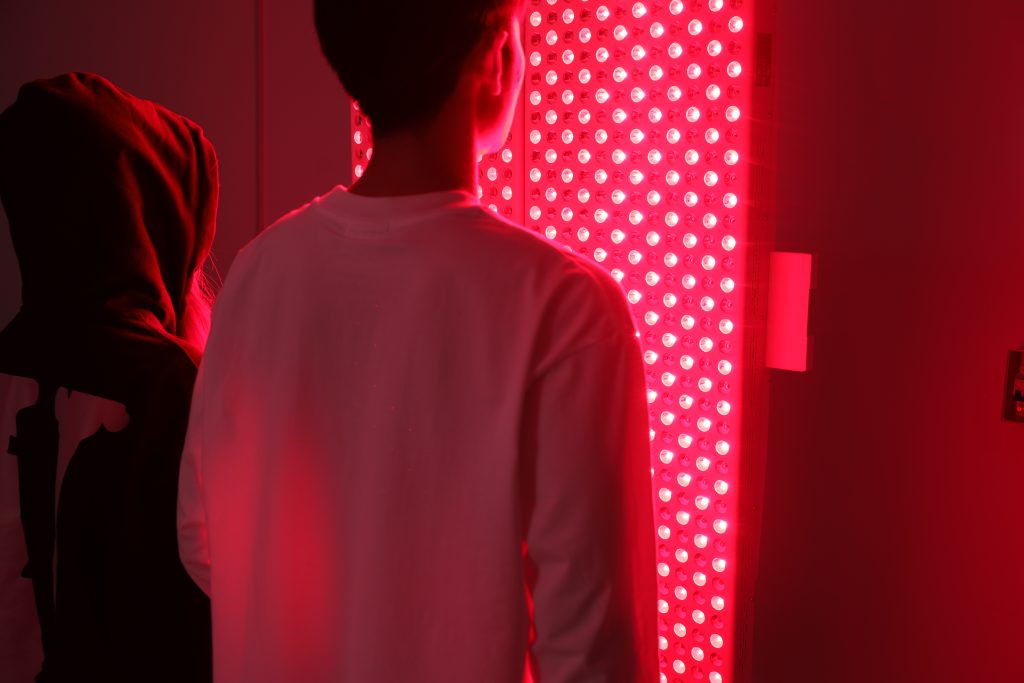 Real-world impact?
Short answer: more consistent results and higher long-term adherence. People stick with devices that feel good, are easy to use, and have measurable settings. That’s how I judge value, and how you can too.
To wrap up, I’ve learned a few things from hands-on experience and conversations with clinicians. First: not all infrared beds are equal — check specs. Second: small investments in design (better LED arrays, reliable drivers, effective thermal systems) lead to big returns in user satisfaction. Third: prioritize transparency; sellers who publish irradiance and wavelength data earn my trust. If you want a practical source, I’ve been watching options at Magique Power and appreciate clear specs and sensible design choices. Weigh those factors and you’ll pick equipment that truly helps your sleep, recovery, and daily energy.